
Magnesium (L-Threonate & Glycinate)
Magnesium is a cofactor in several hundred enzymatic reactions in the body, touching nerve transmission, muscle relaxation, bone density, cardiovascular function, and the GABA and melatonin pathways tied to sleep. A meaningful share of adults don't get enough of it from diet alone, which is the basic case for supplementing it at all. But not every magnesium supplement is chosen for the same reason, and the two forms in this collection split along a clear line: one is picked for the body, the other specifically for the brain.
Magnesium glycinate is bound to the amino acid glycine and has the longer, more settled track record for general magnesium repletion, sleep, and relaxation, the everyday role magnesium plays outside of any brain-specific story.
Magnesium L-threonate (the patented Magtein form) was developed around research suggesting it reaches brain tissue more readily than other magnesium forms, with human trials looking at sleep quality, working memory, and executive function together. If your only goal is sleep or general relaxation, glycinate is the more direct, better-established route. If the cognitive and memory angle matters to you as much as sleep does, threonate is the one built around that mechanism specifically. Our Magnesium collection lays out the honest evidence gap between the two, since threonate’s human research is real but still smaller in scale than glycinate’s.
Designs for Health
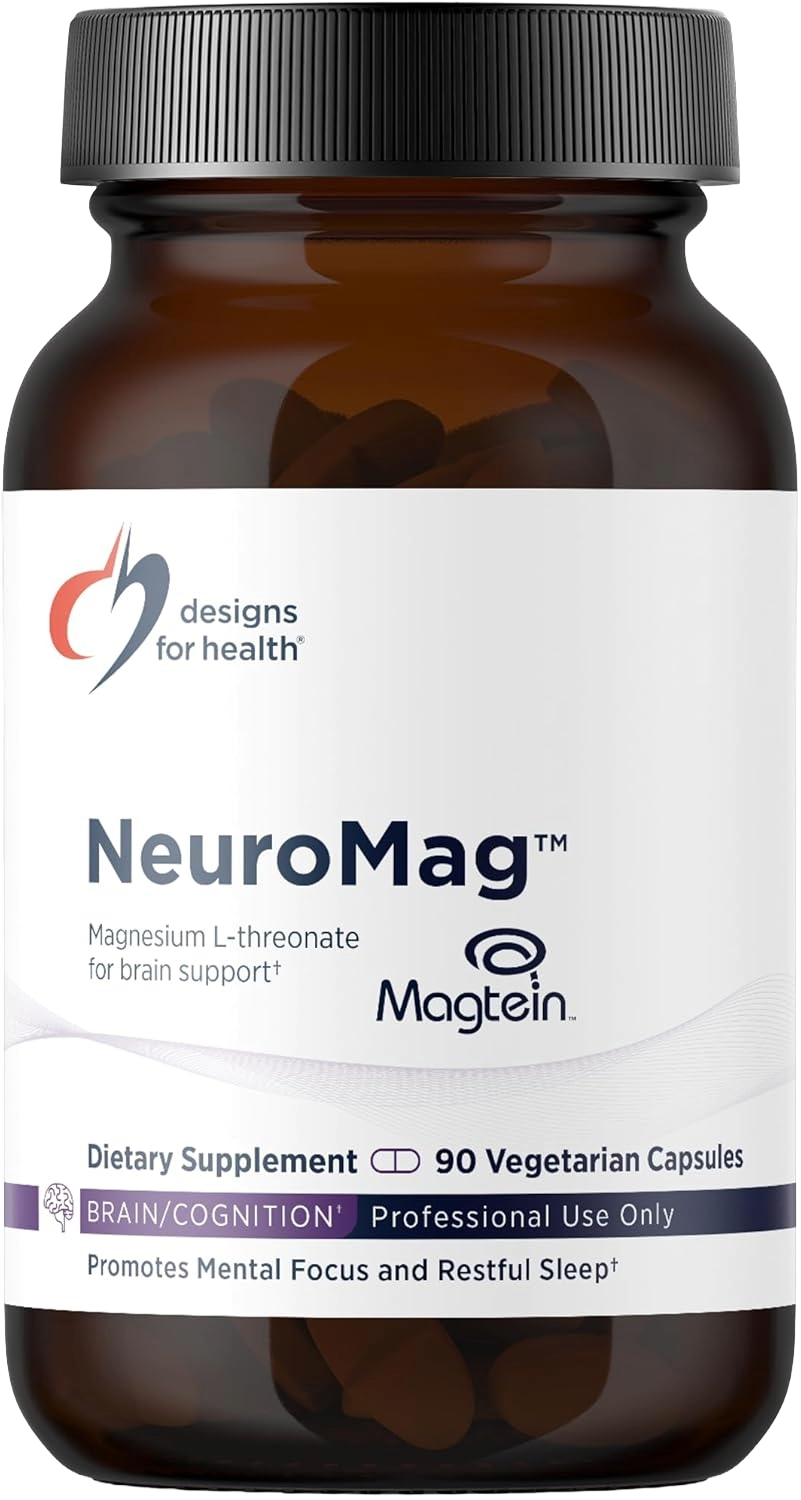
Designs for Health NeuroMag (Magnesium L-Threonate)
The magnesium form built specifically to reach brain tissue, dosed at the same amount used in the human research behind it. A single-ingredient formula for the cognitive, memory, and sleep angle rather than general relaxation.
$72.49 one-time
$61.62 subscribeSave 15%
Shop Now →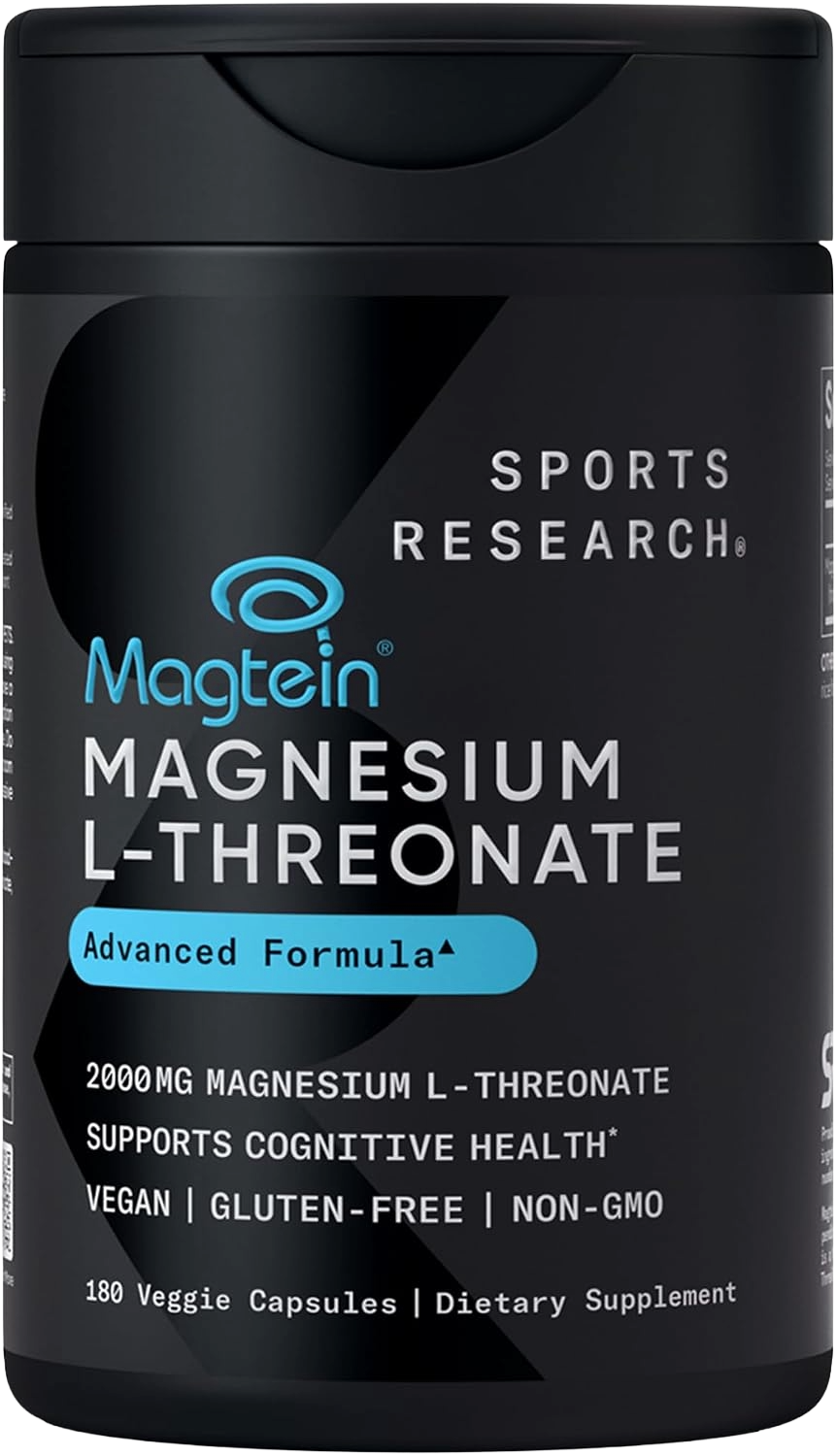
Sports Research
Sports Research Magnesium L-Threonate
Essentially the same Magtein dose as our other magnesium L-threonate, at less than half the daily cost. Same brain-targeted mechanism, same active ingredient, simpler capsule.
$58.95 one-time
$50.11 subscribeSave 15%
Shop Now →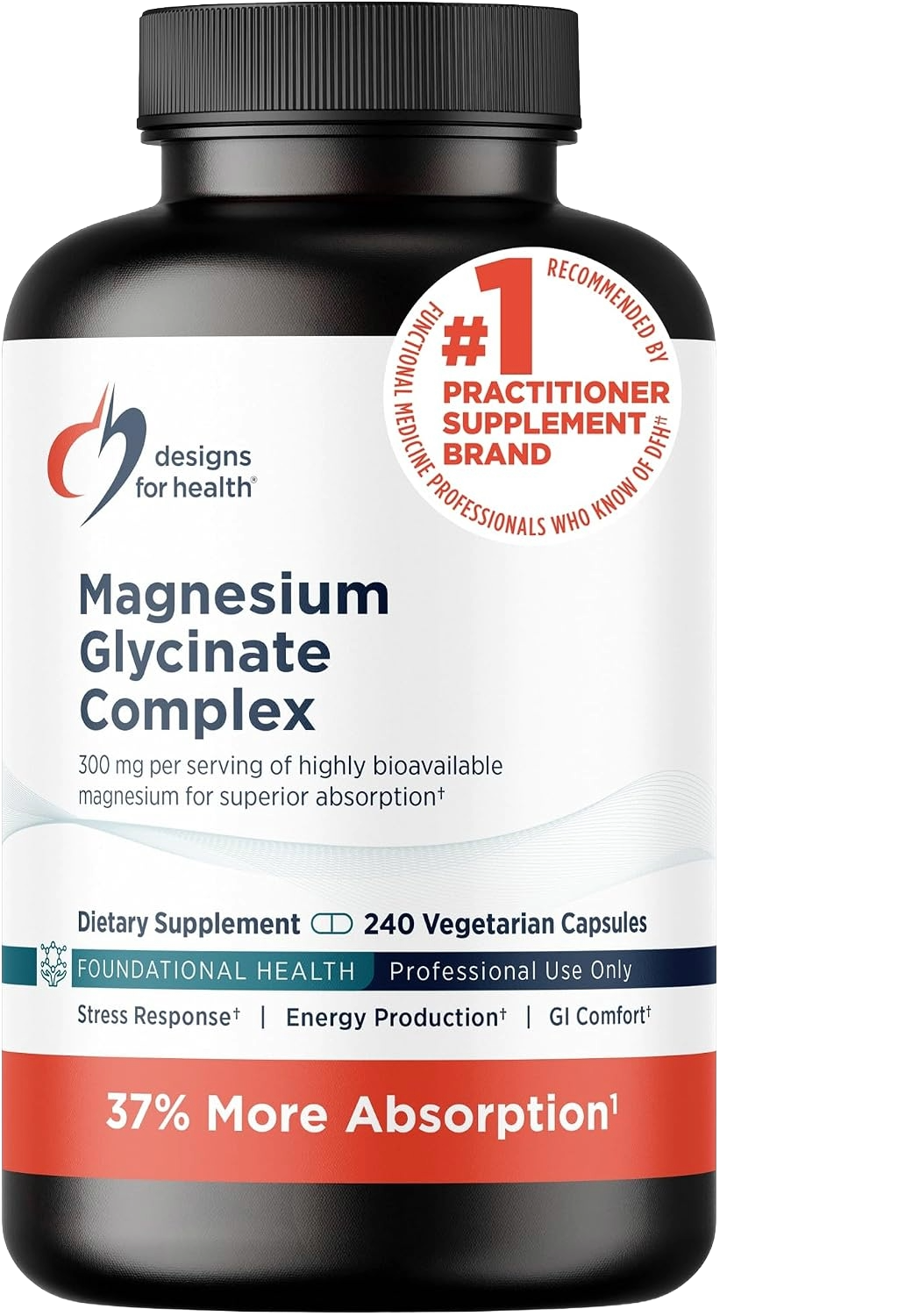
Designs for Health
Designs for Health Magnesium Glycinate Complex
The highest elemental dose in our magnesium lineup, buffered specifically for gentler digestion. Chosen for sleep, relaxation, and whole-body magnesium status, not the brain-targeted story.
$64.99 one-time
$55.24 subscribeSave 15%
Shop Now →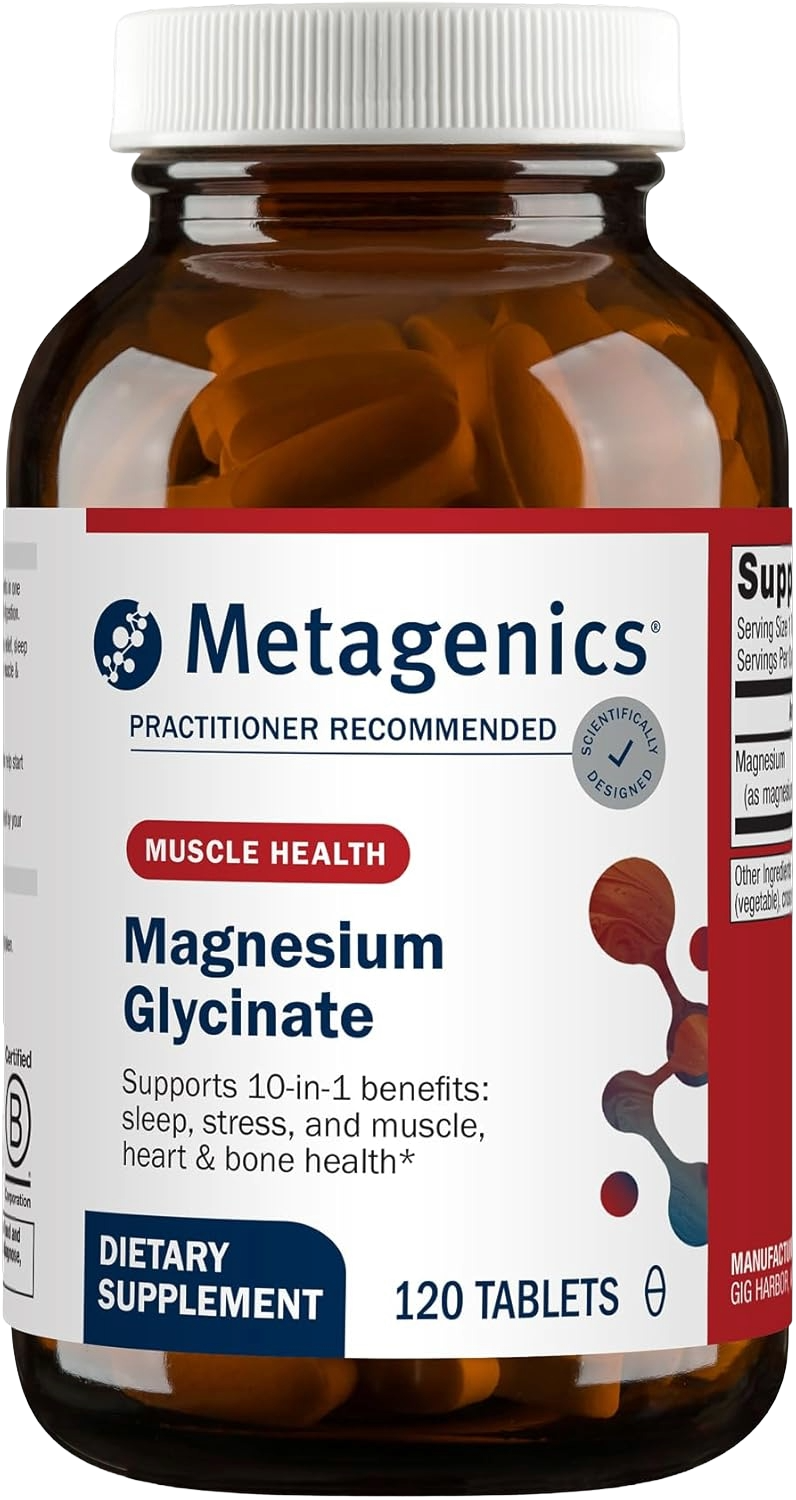
Metagenics
Metagenics Magnesium Glycinate
A simple, single-ingredient glycinate with dosing you control tablet by tablet. Our own team noticed a felt effect within 30 to 60 minutes, faster than we typically expect from magnesium.
$33.75 one-time
$28.69 subscribeSave 15%
Shop Now →Frequently Asked Questions
What's the actual difference between magnesium L-threonate and magnesium glycinate?
Glycinate is bound to the amino acid glycine and is chosen for general magnesium repletion, sleep, and relaxation, the everyday role magnesium plays in the body. L-threonate is bound to threonic acid and was developed specifically around research suggesting it crosses into brain tissue more readily, with human trials looking at cognitive outcomes like working memory alongside sleep. They're both magnesium, but the choice comes down to whether you want the general-purpose form or the brain-targeted one.
Is magnesium L-threonate the same thing as L-theanine?
No, despite the similar-sounding names. Magnesium L-threonate is a mineral compound, magnesium bound to threonic acid, researched for reaching brain tissue and supporting memory and sleep. L-theanine is a completely different amino acid found in tea, used for calm focus, often alongside caffeine. If you're looking for L-theanine products, you'll find them in our L-Theanine collection instead.
Which magnesium L-threonate should I buy, Designs for Health or Sports Research?
Dose for dose, they're nearly identical: 145 mg versus 144 mg of elemental magnesium, both from the same patented Magtein ingredient. The real differences are price and capsule count. Designs for Health is the original practitioner-channel brand behind the ingredient, while Sports Research delivers essentially the same active dose at less than half the daily cost.
Which magnesium glycinate should I buy, Designs for Health or Metagenics?
The Designs for Health complex delivers a higher, fixed 300 mg dose per serving and works out to a lower cost per milligram, since it's buffered with a small amount of magnesium oxide alongside the glycinate chelate. The Metagenics tablets are pure bisglycinate with no oxide at all, dosed at 100 mg per tablet, so you can take one for a light dose or two for a fuller one. Pick Designs for Health if you want the highest single dose. Pick Metagenics if you want flexibility and a lower total spend.
Can I take an L-threonate and a glycinate magnesium together?
You can, but add up your total elemental magnesium first rather than stacking two full servings. Combined intake above roughly 350 mg per day from supplements raises the odds of digestive discomfort. If you want both the cognitive and the sleep or relaxation benefits, consider a partial dose of one or both instead of two full servings.
Is there a magnesium option that isn't built around bedtime?
Yes, though it's not part of this collection specifically since it's a three-form blend rather than a pure L-threonate or glycinate product. Our Sports Research Triple Magnesium Complex combines glycinate with malate and taurinate, and is positioned as an any-time-of-day magnesium rather than one leaning toward evening use. Worth a look if neither the brain-targeted nor the sleep-forward framing here fits what you're after.
When should I take these, and how long before I notice something?
An evening dose is a sensible default across all four if sleep or relaxation is part of your goal, since magnesium's role in GABA and melatonin pathways makes that a logical time to take it, though splitting the dose across the day works too. Give it two to four weeks of consistent daily use before judging it. The one exception is Metagenics, where our own team noticed a faster subjective effect within 30 to 60 minutes, though the deeper, ongoing benefits still build over the same longer timeframe as the others.