
Calm & Stress Support
Stress shows up differently for everyone. For some people it's a wired, can't-settle-down feeling that makes a normal day harder than it should be. For others it's the slow grind of a demanding stretch that leaves you tense, tired, and running on a shorter fuse than usual. This collection is built around that range, from a simple daily magnesium that takes the edge off, to more targeted formulas built around saffron, adaptogens, and calming amino acids for people who want more direct support for mood and the body's stress response.
None of these products work the same way, so it’s worth understanding the differences before picking one. Magnesium glycinate is the steady, foundational option, well tolerated, gentle, and meant to be part of an everyday routine. The adaptogen and botanical formulas are more targeted, built around ingredients like rhodiola, saffron, and kanna that have their own specific research behind stress resilience and mood.
A couple of these also touch serotonin pathways directly, which means real interaction considerations if you’re on certain medications. Every product page on this site lays out the dose, the evidence, and who should talk to a doctor first, so you can choose based on what your stress actually looks like rather than a label promising calm in a bottle.
LifeSeasons
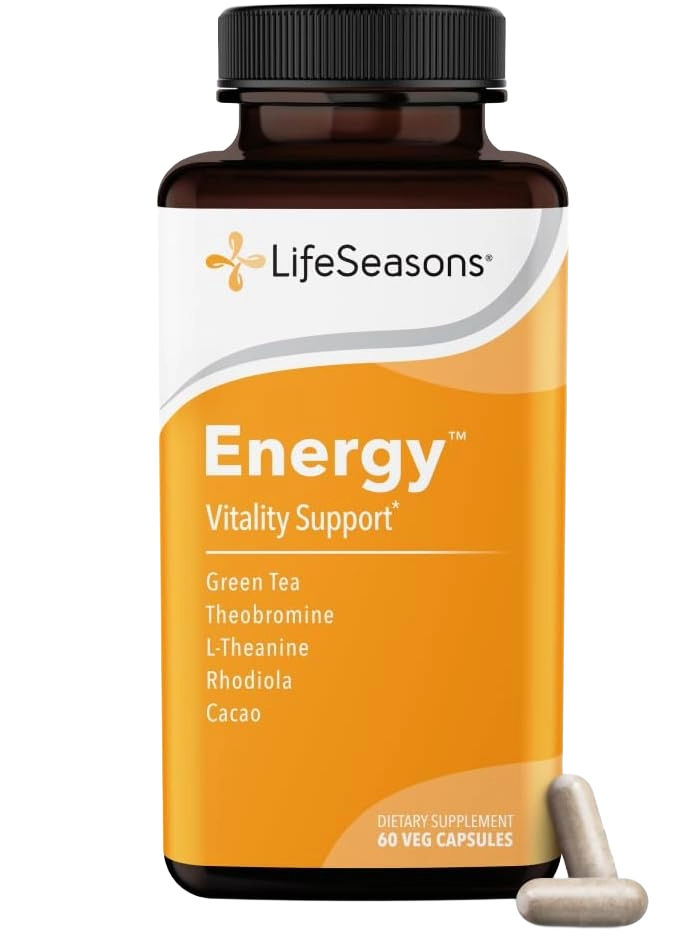
LifeSeasons Energy
A caffeine-free formula built around a genuine adaptogen trio researched for stress resilience and fatigue, paired with holy basil and theanine for the calming side. Steady and cumulative rather than an immediate hit.
$30.99 one-time
$26.34 subscribeSave 15%
Shop Now →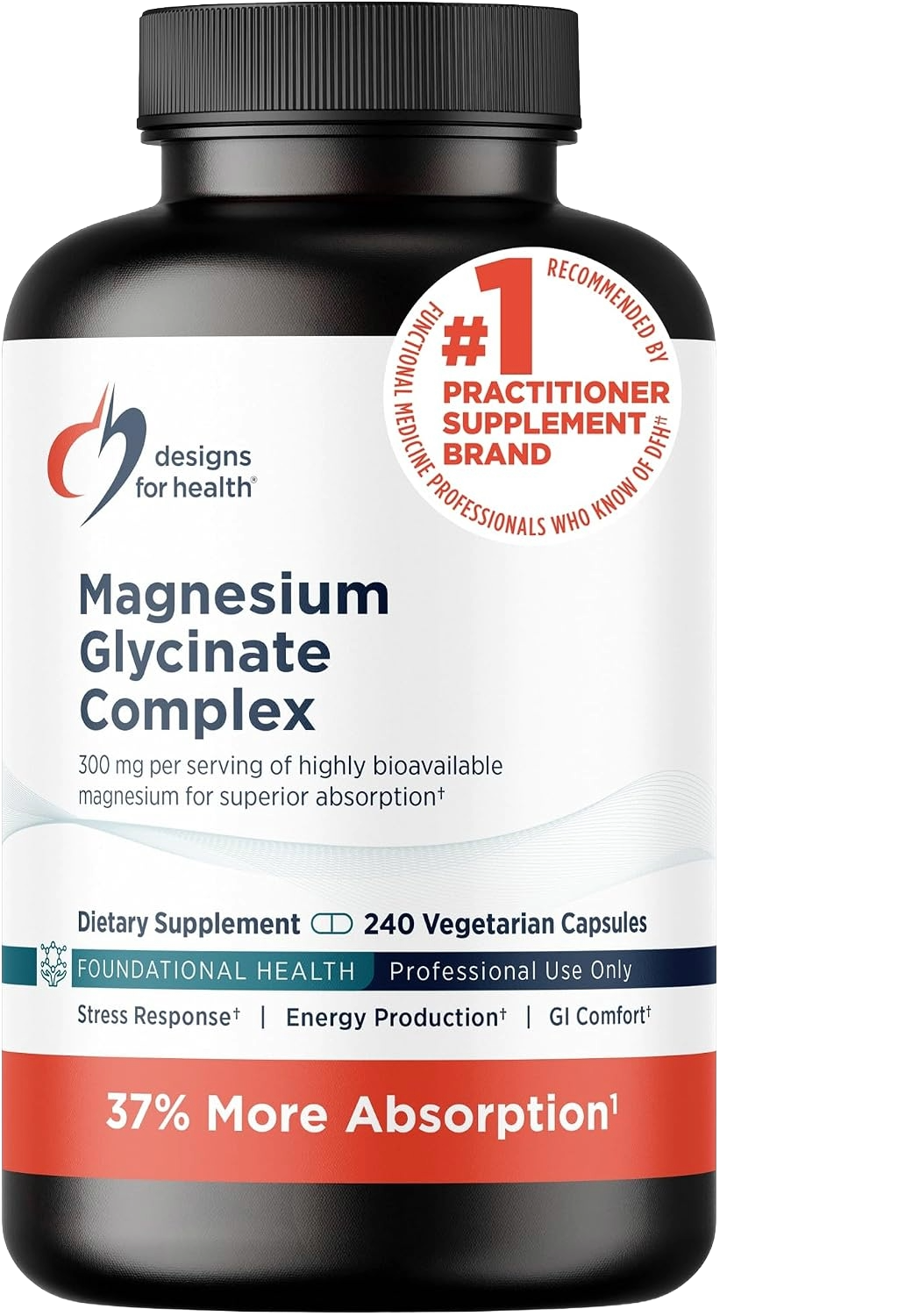
Designs for Health
Designs for Health Magnesium Glycinate Complex
The whole-body magnesium in our lineup, built for calm, sleep, and relaxation rather than a brain-targeted angle. A high, buffered dose designed to sit easier on digestion than plain oxide or citrate.
$64.99 one-time
$55.24 subscribeSave 15%
Shop Now →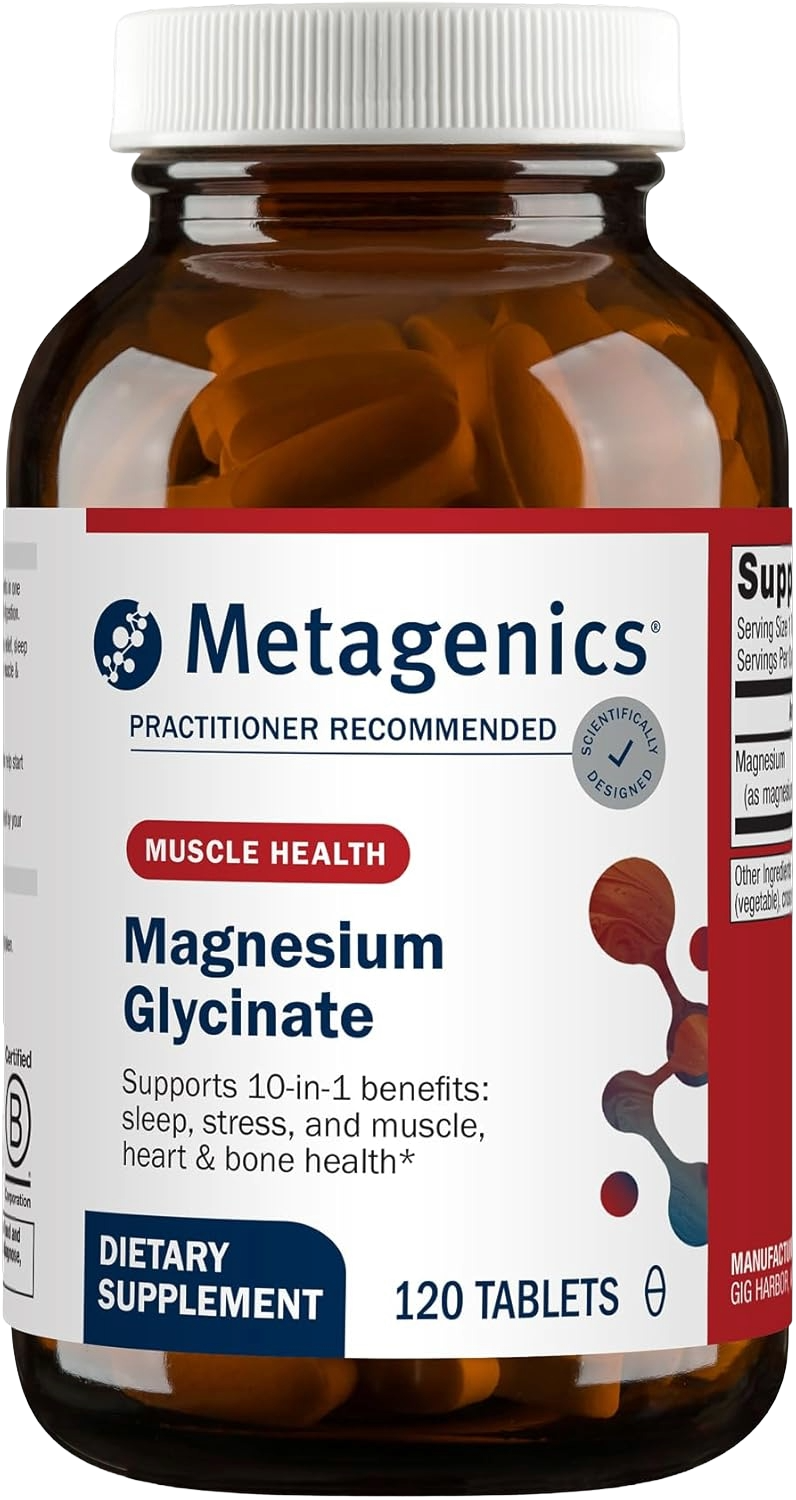
Metagenics
Metagenics Magnesium Glycinate
A simple, budget-friendly glycinate with dosing you control tablet by tablet. No oxide blend, no brain-targeted story, just a well-tolerated form of magnesium for everyday stress and relaxation support.
$33.75 one-time
$28.69 subscribeSave 15%
Shop Now →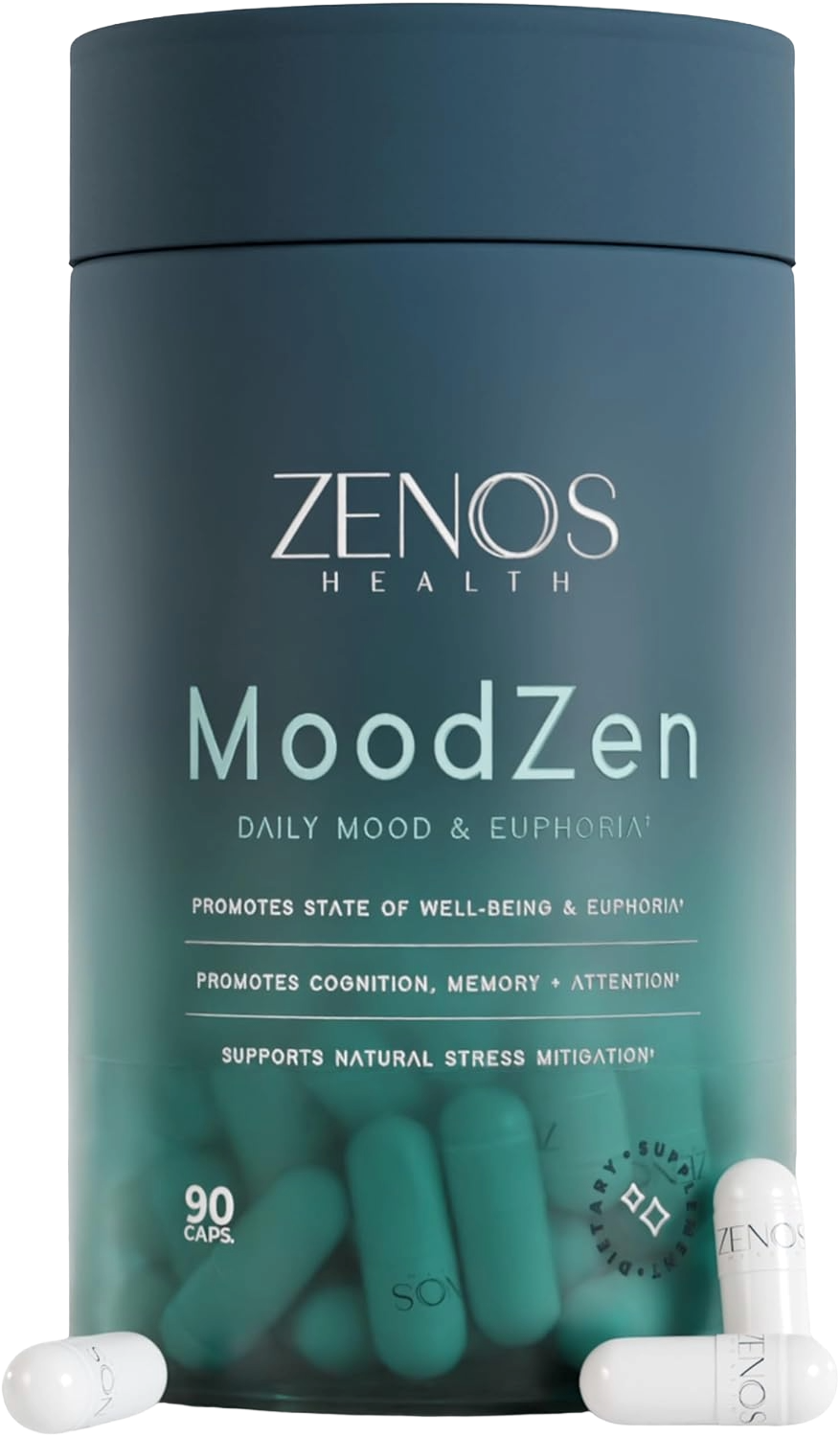
Zenos Health
Zenos Health MoodZen
An aggressively dosed mood and stress formula we tested against the rest of the category ourselves. Phosphatidylserine at a premium dose for the body's stress response, saffron and kanna for mood, with real interaction considerations worth reading first.
$149.99 one-time
$127.49 subscribeSave 15%
Shop Now →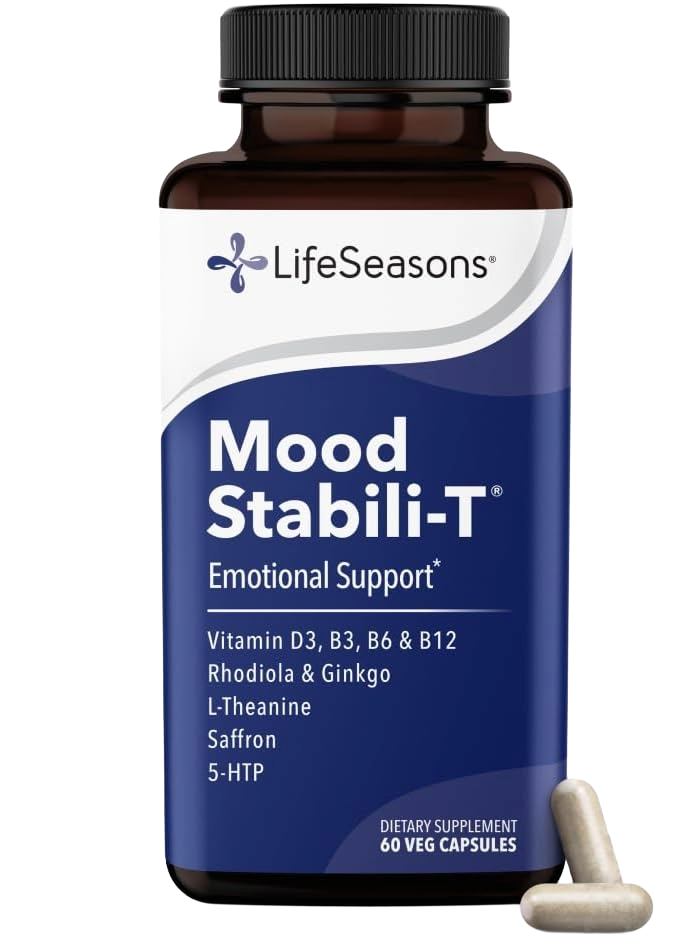
LifeSeasons
LifeSeasons Mood Stabili-T
A gentler, more conservative mood and calm formula built around a cofactor-and-precursor design. Dosed on the lighter end on purpose, meant to be taken alone every day rather than stacked with anything else.
$36.99 one-time
$31.44 subscribeSave 15%
Shop Now →Frequently Asked Questions
What's the difference between the two magnesium glycinate products?
Both use a well-tolerated glycinate form, but they're built differently. The Designs for Health complex delivers 300 mg of elemental magnesium in a fixed 2-capsule serving, buffered with a small amount of magnesium oxide for cost efficiency. The Metagenics tablets are pure bisglycinate with no oxide, 100 mg per tablet, so you can take one for a light dose or two for a fuller one. The Designs for Health option gives you more magnesium per dollar, while Metagenics gives you more control over your own dose.
Are the adaptogens in LifeSeasons Energy going to feel like a stimulant?
No, and that's the point. Rhodiola, eleuthero, and schisandra are dosed for cumulative stress resilience over a few weeks, not an acute lift. Theobromine, the compound behind the energy side of this formula, is milder and slower than caffeine, but it isn't completely stimulant-free either, so it's still worth knowing if you're avoiding stimulants altogether for a medical reason.
Can I take MoodZen and Mood Stabili-T together for stronger stress support?
No, and this is a real safety point, not just a sales preference. Both formulas contain saffron, and between kanna in MoodZen (a serotonin reuptake inhibitor) and 5-HTP in Mood Stabili-T (a direct serotonin precursor), combining them stacks multiple serotonin-active mechanisms at once. That raises a genuine risk of serotonin syndrome. Pick one, not both.
Is it safe to take these alongside an antidepressant or anti-anxiety medication?
Talk to your prescribing doctor first if you're on an SSRI, SNRI, MAOI, or similar medication before starting MoodZen or Mood Stabili-T specifically, since both contain serotonin-active ingredients. Magnesium and LifeSeasons Energy have fewer direct serotonin concerns, but several adaptogens still carry potential herb-drug interactions, so it's worth mentioning any supplement to your doctor if you're on regular medication.
How long before I notice a difference?
Magnesium glycinate tends to show a relaxation effect within days to a couple of weeks, with fuller magnesium status normalizing over a longer stretch. The adaptogen blend in LifeSeasons Energy builds over 2 to 4 weeks. MoodZen and Mood Stabili-T are a mix, saffron and kanna can feel faster, while ingredients like phosphatidylserine build over several weeks of consistent use. None of these are meant to be judged after a single dose.
Do I need to cycle any of these?
Magnesium glycinate does not require cycling and is meant to be a steady daily foundation. LifeSeasons Energy's adaptogens are often cycled, commonly 8 weeks on and 1 to 2 weeks off, though the evidence on whether that's strictly necessary isn't conclusive. MoodZen and Mood Stabili-T don't require cycling, but neither is meant to be combined with additional saffron, kanna, or 5-HTP from another source.